
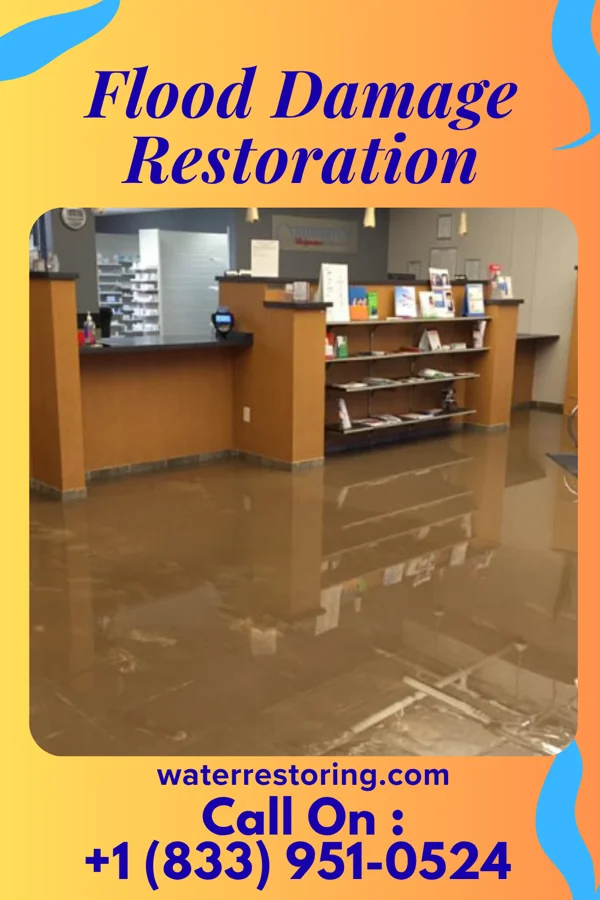
When Albany Properties Need Flood Recovery
Water damage in Albany usually starts with Albany, Georgia experiences flood risks primarily due to its location in the Lower Flint River Basin, which can lead to flash flooding during heavy rainfall events. Additionally, the city's urban development and drainage systems can contribute to localized flooding, especially in low-lying areas near the Flint River.. Professional restoration follows the IICRC protocol on every job. Assess. Extract. Dry. Sanitize. Document.
Albany has a humid subtropical climate with frequent thunderstorms and heavy rainfall, particularly during the spring and summer months. These weather patterns increase the likelihood of sudden and severe flooding, especially in areas with poor drainage infrastructure.
Water damage in Albany follows a few local patterns. Albany, Georgia experiences flood risks primarily due to its location in the Lower Flint River Basin, which can lead to flash flooding during heavy rainfall events. Additionally, the city's urban development and drainage systems can contribute to localized flooding, especially in low-lying areas near the Flint River. accounts for the bulk of our calls. Albany has a humid subtropical climate with frequent thunderstorms and heavy rainfall, particularly during the spring and summer months. These weather patterns increase the likelihood of sudden and severe flooding, especially in areas with poor drainage infrastructure. In Albany, mold can begin to grow within 48 hours of water exposure, making rapid response critical to preventing long-term health and structural issues. Our team prioritizes urgent flood damage restoration to mitigate these risks.